
Transcribe source media, identify speakers and timing, approve the source text, then translate. Review target text for terminology, tone and readable length before producing SRT/VTT, burned-in video, AI voice or localized masters. Record versions and approvers so caption and voice outputs do not diverge.
An eight-stage production chain
- Collect the master video, high-quality audio and available script.
- Transcribe with speaker and timecode structure.
- Correct source names, figures, brands and meaning.
- Translate using approved target-market terminology.
- Resegment for reading speed and screen width.
- Review target subtitles and generate SRT/VTT.
- Create AI voice, mixes or burned-in versions as required.
- Name, quality-check, approve, archive and publish.
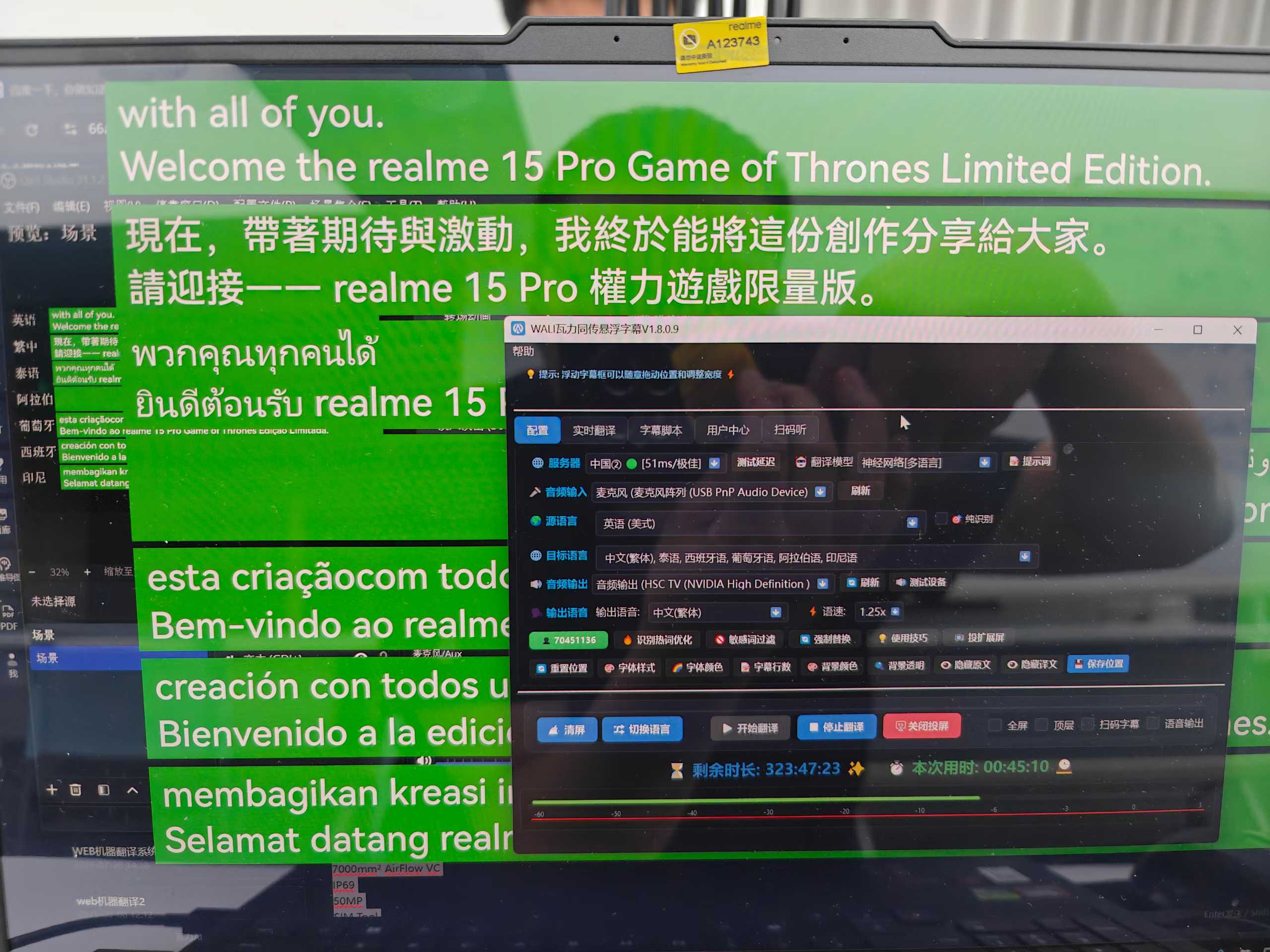
Define deliverables before production
| Deliverable | Typical use | Confirm |
|---|---|---|
| SRT/VTT | Video platforms and learning systems | Language, encoding, timing and line length |
| Burned-in video | Social, exhibition and offline playback | Resolution, typography, safe area and bitrate |
| AI voice audio | Courses, narration and knowledge content | Voice, speed, pronunciation and format |
| Localized video master | Market-specific publication | Mix, edit, title cards and version |
| Approved transcript | Web, reports and knowledge bases | Structure, terminology and approval status |
What to automate
Batch transcription, first-pass translation, timing inheritance, format conversion, naming and TTS generation can be automated. Brand tone, ambiguity, humour, legal meaning, screen readability and final release still need accountable review. Automation removes repeat work; it does not remove quality ownership.
Quality controls
- Source matches picture and speaker
- Names, figures, units and terms are consistent
- Line length and duration remain readable
- Segmentation follows meaning
- AI voice pronunciation and pauses are appropriate
- Music does not mask localized voice
- Safe areas and codecs are tested by platform
- File names reveal language, version and approval
Build reusable assets
Maintain terminology, pronunciation dictionaries, approved voices, subtitle styles, delivery naming and review rules. Feed corrections from one release back into the next. This is how a one-off tool becomes an operating content system.
Frequently asked questions
Can an SRT file go straight into AI voice?
Technically yes, but first adapt written translation for speech, verify pronunciation and confirm that each segment leaves enough time.
Must every language share one timeline?
No. Subtitles can start from the master timeline, while voice length may require revised pauses or editing.
Editorial note: automation depends on source quality, target language, content risk, publication channel and review requirements.